Perioral lines are those fine vertical creases that etch above the upper lip and sometimes below the lower lip. People often call them smoker’s lines, but I see them in lifelong non-smokers too. Genetics, sun exposure, habitual pursing, collagen loss with age, and volume depletion around the mouth all contribute. Treating these lines well is not about puffing the lips. It is about respecting the tissue layers, choosing the right tools, and knowing when not to chase every crease.
I have treated thousands of mouths over the years. The happiest outcomes come from conservative plans that blend structure, hydration, and muscle balance. Vertical lines can soften dramatically, but the goal is not to erase every trace. Real skin moves, and expressions fold the skin in ways that keep us looking like ourselves. When we fight that reality, results look odd. When we work with it, patients look rested and natural.
What smoker’s lines really are
The skin above the upper lip is thin and active. The orbicularis oris muscle is constantly contracting as we speak, sip, smile, and whistle. Over time, repetitive motion presses the dermis into micro-folds, and with less collagen, elastin, and hyaluronic acid, those folds linger at rest. When subcutaneous fat thins and dental support recedes, the upper lip can invert slightly, deepening the appearance of vertical creasing along the white line and cutaneous lip.
These lines are rarely only a skin problem. Picture three layers: skin quality, soft tissue volume, and underlying muscle function. If we only inflate the lips, the lines may still show when you purse. If we only relax the muscle, the skin’s creases remain. If we only hydrate the skin’s surface, dynamic folding will still etch the pattern. The art lies in combining approaches in the right order.
What counts as lip filler for vertical lines
When people ask what is lip filler, they usually mean hyaluronic acid (HA) gel that we place into or around the lips to improve volume, shape, or surface texture. For vertical lines, we typically use low to medium G’ hyaluronic acid fillers that integrate smoothly with the dermis and subdermis. They do not feel lumpy when you talk or smile, and they allow natural movement. Think of them as water-binding scaffolds rather than rigid putty.
Types of lip fillers vary in lift, spread, and cohesivity. Some are designed for definition along the vermilion border, some for perioral fine lines, and others for central body volume. The best filler for lips in this specific context is not always the same product you would choose for a full plump lips treatment. For smoker’s lines, I reach most often for soft, flexible HA fillers with strong integration and hydration properties. Heavier gels can create shelfing or stiffness around the mouth, especially in mature skin that needs suppleness more than projection.
Permanent lip filler and implants have little role in treating these lines. The mouth changes with age, and permanent solutions can lock in a shape that stops matching the face. Temporary lip filler gives us control and reversibility. If something heals in a way we do not like, hyaluronidase can dissolve it. That safety net matters in a high-motion area.
The treatment map: border, columns, and skin
Treating vertical lines requires a small dose mindset. The lip border, known as the vermilion-cutaneous junction, is a keystone. Subtle lip filler along this line can restore a crisp edge and reduce lipstick bleed. I prefer micro-aliquots, often with a cannula, to avoid serial punctures that bruise. A sharp needle suits some skins for precise placement in etched lines, but you must respect depth and avoid superficial blebs.
The philtral columns, those gentle ridges from the Cupid’s bow to the base of the nose, also influence line patterning. If they have flattened, a touch of filler can reframe the area and lift shadows. Too much, and the midline looks heavy. The cutaneous upper lip often benefits from a low-viscosity HA placed very superficially using microthreading. This hydrates the dermis and blurs fine creases without adding bulk.
Some patients need a small amount of volume in the red lip to evert the upper lip slightly, reducing the tendency to purse. Top lip filler only is sometimes enough, especially when the lower lip remains full. Other times, bottom lip filler only adds balance and softens downward tension. Subtle lip filler wins here. Overfilling the lip body to steamroll lines is how lip filler gone wrong stories start.
Where neuromodulators fit
The difference between lip filler and Botox matters. Filler supports structure. Botox and similar neuromodulators reduce muscle contraction. For dynamic vertical lines that only show when you purse or sip through a straw, a microdose neuromodulator diluted specifically for the upper lip can help. We are talking very small units placed strategically, because too much can flatten your smile, make drinking from a bottle awkward, or change how you pronounce certain sounds. This is not a full lip flip, although a lip flip can complement filler for selected cases by everting the lip slightly and revealing more vermilion. The lip flip vs lip filler question often lands on the side of combination for smoker’s lines: tiny toxin for movement, soft filler for texture and support.
Skin quality changes everything
Even the best technique cannot hide poor skin quality. Years of sun without protection, smoking, and dehydration deepen creases. Hydrating lip filler works partly by binding water in the dermis, but it will not replace lost collagen. Biostimulatory support around the mouth, such as microneedling or energy-based devices, can improve the canvas. In my practice, combining HA with medical skincare like a gentle retinoid and daily SPF gives steadier long-term gains. Lip filler for dry lips helps comfort and sheen, yet the routine around it keeps results resilient.
What to expect from lip filler in this area
On the treatment day, you will feel pinpricks and pressure. Most HA fillers for lips contain lidocaine, and we can add topical anesthetic or dental blocks for comfort. The lip filler pain level varies with sensitivity, but most patients rate it a mild to moderate sting that settles quickly. The lip filler appointment takes 30 to 60 minutes for assessment, numbing, placement, and aftercare guidance.
Swelling follows a predictable arc. Lip filler swelling stages typically peak at 24 to 48 hours, then settle through day three to five. Bruising varies from none to a few purple spots. Because we often place product very superficially for vertical lines, little bumps can appear early. They almost always settle as the filler draws in water and integrates. The lip filler healing process continues for two weeks while the gel equilibrates and the tissue calms. That is how long lip filler takes to settle in most cases. At the two-week check, we decide whether a lip filler touch up is warranted.
“How much lip filler do I need?” For perioral lines, anywhere from 0.3 to 1.0 mL across the area is common. Some patients need a second session to layer results rather than forcing it all on day one. How often to get lip filler depends on metabolism, product choice, and how animated your lips are. For vertical lines, many maintain every 9 to 12 months, with light top ups at 6 months for patients who prefer a smoother look year-round.
Safety, side effects, and judgment calls
Is lip filler safe around the mouth? When placed by experienced injectors who understand anatomy, yes. The upper lip has a dense vascular network, including the superior labial artery. Cannulas lower the risk of intravascular injection in certain planes, though needles give precision in tiny etched lines. Knowing when to choose which is part skill, part experience. Common lip filler side effects include swelling, tenderness, bruising, and small lumps that resolve with massage and time. Less common issues include delayed swelling, asymmetry, or filler visibility in very thin skin. True complications like vascular occlusion are rare but serious. Your provider should discuss signs of compromise and have hyaluronidase on hand to dissolve filler if needed.
Do lip fillers hurt? Most describe discomfort rather than pain. What does lip filler feel like afterward? The first few days, lips feel full and a bit firm. As the gel integrates, you stop noticing it. Does lip filler affect kissing? Once healed, no. Your partner should not feel anything unusual. Can lip filler be reversed? Hyaluronic acid fillers can be dissolved with hyaluronidase. That is one reason I prefer them in high-stakes areas like the mouth. Do lip fillers stretch your lips? Skin is elastic. Normal, conservative dosing does not permanently stretch lips. Repeated aggressive overfilling over years can change tissues and invite migration. The antidote is restraint.
Technique choices that matter
Best technique for lip filler in vertical lines favors microdosing, linear threading, and layering. I avoid heavy boluses near the white line. Some etched verticals respond better to a perpendicular microdroplet that props the fold. Others need a vector line that Orlando lip filler redistributes tension across the skin. When the vermilion border has thinned, a fine line of filler just below the cutaneous lip candidly does more than chasing each line individually.
Filler for lip border definition also helps lipstick stay put. A gentle lift at the oral commissures can turn down corners upward a touch, which reduces the impulse to purse and softens marionette shadows. Asymmetry correction around the mouth happens in millimeters. Lip filler for asymmetry requires patience and a mirror check throughout. The goal is harmony from all angles, not perfect symmetry, because perfect rarely looks natural.
Beyond the syringe: habits and maintenance
Smoker’s lines prove that small habits accumulate. Straws, whistling, repeated pouting for photos, and lip dryness all add up. Hydration, sunscreen, and avoiding chronic lip licking reduce the mechanical and chemical stress on the skin. Lip filler retention tips sound simple for a reason: stay hydrated, avoid extreme heat and vigorous exercise for 24 to 48 hours after treatment, sleep with your head elevated the first night, and let the filler settle before heavy facial massage.
If you are planning your first time lip filler, be honest about your goals. Do you want natural looking lip filler that no one else notices, or camera-ready volume? For vertical line treatment, subtle is almost always better. Start low, assess at two weeks, and plan a lip filler top up only if needed. Patients who push for instant erasure are the ones most likely to end up with stiffness or a tube-like upper lip.
Costs, brands, and longevity
Lip filler cost varies by region, product, and provider experience. In most cities, a per-syringe price ranges widely. For vertical line work that uses less than a syringe, many practices allow partial syringe pricing or bank the remainder for a follow-up session within a defined period. Ask during your lip filler consultation how they handle unused product, and whether they recommend specific lip filler brands for your anatomy.
How long does lip filler last in perioral lines? Expect 6 to 12 months on average. High-motion areas metabolize filler faster, and softer gels sometimes disperse sooner. Lip filler longevity also depends on your skin’s baseline support. Building collagen with adjunctive treatments can extend the visible benefit. Lip filler over time should look and feel natural. If maintenance sessions become less effective or you sense migration, consider a reset with dissolution and a fresh plan.
The role of photos and realistic goals
Lip filler before and after images help, but be cautious. Lighting, angle, and facial expression dramatically change how lines appear. Look for consistent head position and a neutral expression. Ask your provider to show healed results for similar skin types and ages. For some patients, 40 to 60 percent softening of vertical lines is a win. Pursuit of 100 percent smoothness can tip into the uncanny. The human mouth should crease when it moves.
When not to inject
There are days I advise a patient to wait. Active cold sores, dental work that week, significant sunburn, or an event within 48 hours are good reasons to reschedule. Certain medications raise bruise risk. If the skin is severely photo-damaged with deep, longstanding creasing, filler alone may disappoint. You may need a plan that includes resurfacing. And if someone arrives wanting a dramatic plump lips treatment to obliterate lines, I explain why that approach fails. Volume has a place, but volume is not the whole answer here.
Comfort, aftercare, and normal healing milestones
Immediately after treatment, use a cold compress in short intervals to curb swelling. Sleep slightly elevated the first night. Do not press or massage the area unless your provider instructs you. Skip strenuous exercise and hot yoga until the next day. Avoid alcohol the first evening, since it can amplify swelling cosmetic lip filler FL and bruising. Can you eat after lip filler? Yes, once numbness fades. Choose soft, not-too-hot foods the first few hours to avoid biting yourself.
What not to do after lip filler includes facials that involve heavy pressure, dental procedures in the first week, and saunas or steam rooms for 24 to 48 hours. Lip filler swelling vs bruising can be hard to tell early. Swelling feels puffy and generalized, while bruises show as localized color changes. Most bruises fade over 5 to 10 days. If you notice asymmetric blanching, severe pain, or mottled skin, contact your provider urgently. These could be signs of vascular compromise, which requires prompt attention.
Choosing the right provider
Perioral work looks simple on social media. It is not. Ask about training, years of experience with lip injections, and how they handle complications. A provider who gently corrects expectations is a safer bet than one who promises to erase every line in one sitting. Read honest lip filler FAQ material on their website, and during your lip filler appointment, expect a thorough discussion of risks, benefits, and alternatives. The best technique for lip filler is the one that fits your tissue and your goals, not a one-size-fits-all template.
Here is a concise checklist you can use during your consultation:
- Ask which product they recommend for vertical lines and why, including whether it is a natural lip filler with strong integration. Discuss the plan for the vermilion border versus the skin above the lip, and whether a microdose neuromodulator is appropriate. Clarify expected results, how long swelling lasts after lip filler, and the two-week review process. Confirm cost, how much lip filler you might need across sessions, and their approach to touch ups. Review safety protocols, including access to hyaluronidase and instructions for signs of complications.
Addressing common myths and internet worries
Is lip filler addictive? There is no chemical addiction. The satisfaction of seeing smoother lips can nudge some people to seek more. Guardrails help: set a target look, photograph your baseline, and revisit goals every visit. Can lip filler migrate? It can, especially with overfilling, poor technique, or rubbing the area excessively in the first days. Proper product choice, conservative dosing, and post-care reduce that risk. Does lip filler change your smile? In the right hands, it refines, not rewrites. Filling the philtral columns too heavily or overprojecting the upper lip can obscure tooth show. This is avoidable with careful planning.
What’s in lip filler? Hyaluronic acid, a sugar molecule your body makes naturally, crosslinked to last. Some formulations include lidocaine for comfort. Hydrating lip filler for this area tends to have lower viscosity and high tissue integration. Lip filler vs implants remains a choice of flexibility versus permanence. For vertical line management, flexibility wins. Can you work out after lip filler? Give it a day. Heavy sweating and elevated heart rate can worsen swelling and bruising.
Special considerations for different patients
Lip filler for mature lips prioritizes hydration, structure, and gentle support over big volume. Skin that has thinned with age shows filler placement more readily, so diffusible products and microthreading techniques shine. Lip filler for thin lips also benefits from small, repeated sessions, allowing skin to adapt. Lip filler for men usually leans toward subtle border support and line blurring without feminizing the shape. Each plan respects the patient’s features and cultural aesthetics.
For patients with uneven lip shape, how to fix uneven lips with filler begins with understanding the cause. Is it dental alignment, scar tissue, muscle pull, or previous filler? Sometimes we correct by bolstering the shorter side. Sometimes we soften the longer side’s border to match. If prior product has migrated, lip filler migration correction with hyaluronidase may be the first step before rebuilding.
Practical prep and post-care that genuinely help
Your pre-lip filler instructions should include pausing nonessential blood thinners like high-dose fish oil and certain supplements for a week, if your primary doctor agrees, and avoiding alcohol the day before. Arrive without heavy makeup around the mouth so the skin can be cleaned thoroughly. Plan no dental cleanings or major dental work for at least a week after. Consider scheduling around your calendar, because while most people return to work the same day, swelling can make you self-conscious for a day or two.
Post-lip filler care includes gentle hydration with a bland balm, SPF during the day, and avoiding strong exfoliants around the lip line for a few days. Sleeping after lip filler is easiest on your back with a second pillow the first night. What to eat after lip filler includes cool, soft foods until numbness fades to avoid accidental bites. If you see small lumps after day three, ask before massaging. Some products settle better without extra manipulation.
When combination therapy beats filler alone
If your vertical lines show at rest and deepen dramatically with movement, the most elegant results often come from three parts: a small amount of dermal filler for the etched lines, microdose neuromodulator to relax pursing, and a dermal treatment like microneedling or fractional nonablative laser to rebuild the skin. Layering across weeks works better than cramming in one day. Think of it as restoring the frame, softening the motor, then refreshing the canvas.
" width="560" height="315" frameborder="0" allowfullscreen="" >
For patients with notable upper lip inversion due to dental changes, coordination with a dentist or orthodontist can add support from within. That does not mean you need implants. Sometimes a veneer plan that restores incisal edge display changes lip posture enough to help lines flatten. The mouth is a team sport. Collaboration matters.
If you are on the fence
How to know if lip filler is right for you starts with a simple test. Look in the mirror at rest, then say “ooo” and “eee.” If lines vanish at rest and only show during pursing, neuromodulator may do most of the work. If they remain at rest but soften when you gently stretch the skin with two fingers, soft filler that hydrates the dermis will likely help. If they stay deep regardless, add a skin-rebuilding plan and be prepared for incremental improvement. Natural looking lip filler is not an accident. It is the result of measured doses, the right product, and a provider who listens.
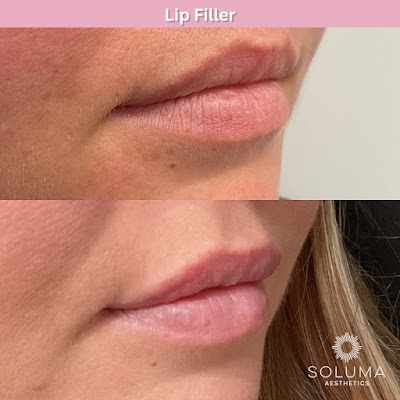
For those who want a compact reference to take into their visit, here is a short comparison to frame expectations:
- Lip filler for vertical lines: best for etched lines at rest, improves texture, supports border, results seen immediately with full settling by two weeks. Microdose neuromodulator: best for dynamic lines during pursing, onset in 3 to 7 days, lasts about 2 to 3 months around the mouth. Skin treatments: best for overall quality and long-term resilience, results accumulate over months, maintenance every few months.
Final thoughts from the treatment chair
Vertical lines around the lips tell a story of movement, time, and skin. Treated thoughtfully, they soften without stealing character. The most satisfying lip enhancement in this zone rarely announces itself. Friends might say you look rested, that your lipstick sits better, that your smile seems lighter. That is the standard I aim for.
If you are searching lip filler near me and comparing options, schedule a lip filler consultation rather than committing online. Ask your questions, bring your photos, and start with a conservative plan. Temporary lip filler, placed with intent, gives you control. If you need to adjust, you can. If you like the changes, you will know how often to get lip filler to keep them. Your lips will keep moving, as they should. Our job is to help the skin keep up.